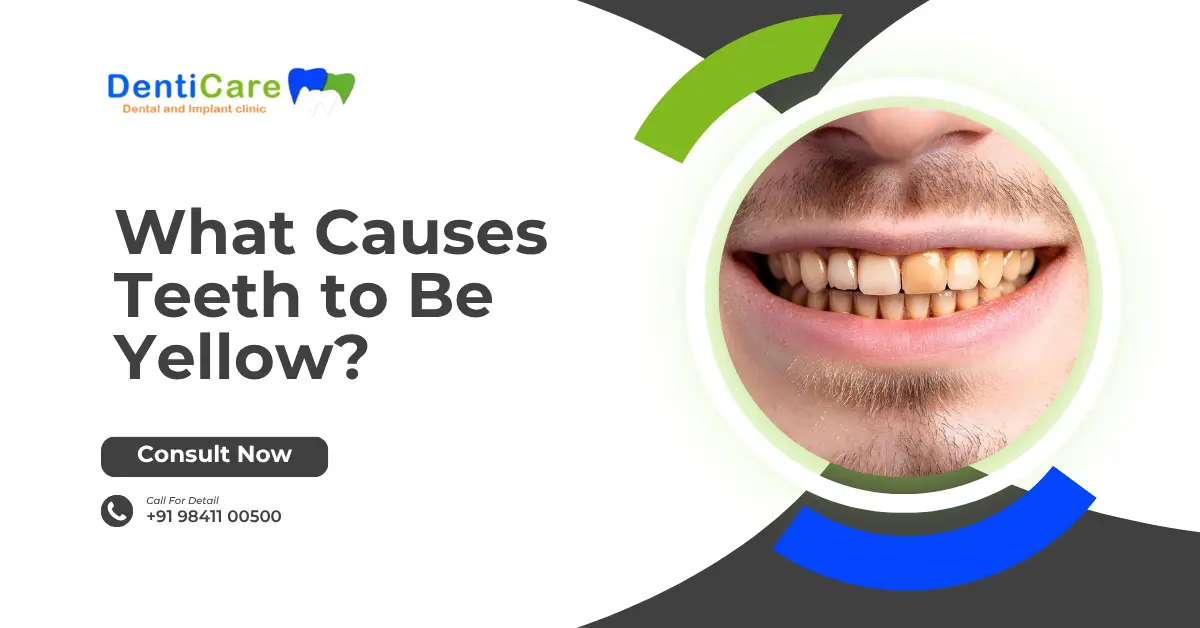
Did you know that tooth discoloration is one of the most common cosmetic concerns among adults worldwide? Millions of people look in the mirror each morning and wonder the same thing: “Why are my teeth yellow even though I brush every day?”
It’s a frustrating experience. You brush diligently, floss regularly, and avoid obvious dental mistakes, yet your smile doesn’t appear as bright as you’d like. Many people immediately assume that yellow teeth must mean poor oral hygiene, but the truth is far more interesting—and far more complex.
Tooth color is influenced by a remarkable combination of biological, genetic, environmental, and lifestyle factors. Everything from the thickness of your enamel to your daily coffee habit can influence how white—or yellow—your teeth appear.
Perhaps the most surprising fact is that perfectly healthy teeth are not naturally brilliant white. The dazzling smiles often seen in advertisements, movies, and social media are frequently the result of cosmetic treatments rather than natural tooth color.
Understanding what causes teeth to be yellow is the first step toward separating myths from reality. Once you understand the science behind tooth discoloration, you’ll be better equipped to protect your oral health and make informed decisions about whitening treatments.
What Research Says About Tooth Discoloration
Tooth discoloration is one of the most common reasons people seek cosmetic dental treatment. Surveys conducted in various countries consistently show that the appearance of teeth significantly influences self-confidence, social interactions, and perceptions of attractiveness.
Research has also demonstrated that tooth color naturally changes throughout life. As enamel gradually thins and dentin becomes thicker with age, teeth tend to appear darker or more yellow. This process occurs even in individuals who maintain excellent oral hygiene.
These findings highlight an important point: tooth discoloration is often a normal biological process rather than a sign of neglect. Understanding the difference between natural color changes and preventable staining helps people make more informed decisions about oral care and whitening treatments.
The Most Common Causes of Yellow Teeth
If you’re looking for the short answer, yellow teeth are most commonly caused by:
- Natural aging and enamel wear
- Thinning enamel that reveals underlying dentin
- Coffee, tea, wine, and dark-colored beverages
- Smoking and tobacco use
- Poor oral hygiene habits
- Genetic factors
- Certain medications
- Enamel erosion from acids
- Dry mouth and reduced saliva production
- Dental trauma and injuries
In many cases, tooth discoloration develops gradually as several of these factors work together over time.
Did You Know? Surprising Facts About Tooth Color
Many people are surprised to learn the following facts:
Healthy teeth are not naturally bright white. In fact, a slight ivory or creamy-yellow appearance is considered completely normal.
The layer beneath your enamel, called dentin, is naturally yellow in color.
Enamel is not solid white—it is slightly translucent. This means the color of dentin underneath influences the appearance of your teeth.
Some people inherit naturally darker tooth shades due to genetics.
Yellow teeth can be completely healthy, while bright white teeth can still suffer from cavities and gum disease.
These facts challenge many of the common assumptions people have about dental health and appearance.
The Natural Color of Teeth: Are Teeth Supposed to Be White?
One of the biggest myths in dentistry is the belief that healthy teeth should look paper white.
In reality, teeth are made up of multiple layers, each contributing to their overall appearance.
The outermost layer is enamel, the hardest substance in the human body. Beneath the enamel lies dentin, a dense tissue with a naturally yellow hue. At the center of the tooth is the pulp, which contains nerves and blood vessels.
Because enamel is partially transparent, the yellow color of dentin naturally shines through. Think of enamel as a frosted glass window. The glass itself may be light in color, but whatever sits behind it still influences what you see.
This is why many healthy smiles appear ivory rather than bright white.
As people age and enamel gradually becomes thinner, even more of the dentin becomes visible, making teeth appear darker or yellower despite excellent oral hygiene.
Understanding the Two Main Types of Tooth Discoloration
Not all tooth discoloration is the same. Dentists generally divide discoloration into two categories: extrinsic and intrinsic staining.
Extrinsic Discoloration: Stains on the Surface
Extrinsic stains affect the outer surface of the tooth and are typically caused by external factors.
Common sources include coffee, tea, red wine, tobacco products, colored sodas, and highly pigmented foods.
Over time, microscopic pores in the enamel absorb pigments known as chromogens. These pigments attach to the tooth surface and gradually create visible stains.
The good news is that extrinsic stains often respond well to professional cleanings and whitening treatments.
Intrinsic Discoloration: Stains from Within
Intrinsic discoloration occurs inside the tooth structure itself.
Instead of sitting on the enamel surface, these stains develop within the dentin or deeper layers of the tooth.
Intrinsic discoloration may result from aging, medications, trauma, excessive fluoride exposure, or genetic factors.
Because the discoloration exists beneath the surface, it is often more challenging to treat and may require advanced cosmetic procedures.
Aging: The Most Common Cause of Yellow Teeth
If there is one cause of yellow teeth that affects nearly everyone eventually, it is aging.
Throughout life, teeth experience constant wear and tear. Every bite, every sip of coffee, and every year of chewing gradually changes the structure of your teeth.
As you age:
- Enamel naturally becomes thinner.
- Dentin thickens and darkens.
- Years of stain accumulation become more visible.
- Microscopic cracks in enamel trap pigments more easily.
These changes explain why older adults often notice a gradual yellowing of their teeth even when they maintain excellent dental hygiene.
Coffee, Tea, and Your Daily Habits
For many people, the morning doesn’t truly begin until the first cup of coffee. Unfortunately, your favorite beverage may also be one of the biggest contributors to tooth discoloration.
Coffee contains tannins, compounds that encourage pigments to stick to enamel. Over time, these pigments penetrate microscopic enamel irregularities and create visible stains.
Tea can be even more staining than coffee. Black tea, in particular, contains high concentrations of tannins that strongly adhere to tooth surfaces.
Other beverages that contribute to staining include:
- Red wine
- Dark sodas
- Sports drinks
- Energy drinks
- Colored fruit juices
The more frequently these beverages are consumed, the greater their impact on tooth color.
Foods That Can Gradually Stain Teeth
Many healthy foods can also contribute to discoloration.
Highly pigmented foods contain natural color compounds that can gradually stain enamel.
Common culprits include berries, curry, tomato sauces, soy sauce, balsamic vinegar, pomegranate, beetroot, and dark chocolate.
This does not mean you should avoid these nutritious foods. Rather, it highlights the importance of rinsing with water afterward and maintaining consistent oral hygiene.
Smoking and Tobacco Use
Few lifestyle habits stain teeth as aggressively as tobacco use.
Tobacco products contain nicotine and tar, both of which contribute to discoloration.
Initially, nicotine is colorless. However, when exposed to oxygen, it turns yellow. Combined with tar, it creates stubborn stains that penetrate deep into enamel.
Over time, smoking can transform mild yellowing into dark brown discoloration that becomes increasingly difficult to remove.
This is one reason smokers often require more intensive whitening treatments than non-smokers.
Poor Oral Hygiene and Plaque Buildup
Although yellow teeth are not always caused by poor oral hygiene, inadequate dental care can certainly contribute.
When plaque accumulates on tooth surfaces, it creates a sticky film that attracts stains and bacteria.
If plaque is not removed through brushing and flossing, it can harden into tartar. Tartar often appears yellow or brown and cannot be removed with brushing alone.
Professional dental cleanings are necessary to eliminate tartar deposits and restore a cleaner appearance.
Enamel Erosion: When Protection Begins to Disappear
Enamel acts as a protective shield for your teeth. Although it is incredibly strong, it is not indestructible.
Acidic foods and beverages gradually weaken enamel through a process known as erosion.
Common causes include:
- Soft drinks
- Energy drinks
- Citrus fruits
- Acid reflux
- Frequent vomiting
- Excessive acidic food consumption
As enamel becomes thinner, more of the naturally yellow dentin underneath becomes visible.
Unfortunately, enamel does not regenerate once it is lost, making prevention extremely important.
Why Enamel Health Matters So Much
Enamel is often called the body’s armor for a reason.
When enamel remains thick and healthy, it helps teeth appear brighter while protecting against sensitivity and decay.
When enamel is damaged:
Teeth appear more yellow.
Sensitivity increases.
Risk of cavities rises.
Cosmetic concerns become more noticeable.
Protecting enamel is therefore essential not only for appearance but also for long-term oral health.
The Genetic Factor: Sometimes It’s Simply In Your DNA
Genetics play a larger role in tooth color than many people realize.
Some people naturally inherit thicker enamel, while others inherit thinner enamel.
Some inherit lighter dentin, while others naturally have darker dentin shades.
These genetic differences explain why two individuals with identical brushing habits and diets may have dramatically different tooth colors.
Sometimes yellow teeth are not the result of anything you’re doing wrong—they are simply part of your natural biology.
Medications That Can Affect Tooth Color
Certain medications can alter tooth color either during tooth development or later in life.
Some antibiotics, antihistamines, blood pressure medications, antipsychotic drugs, chemotherapy treatments, and radiation therapy have all been associated with tooth discoloration.
Because these changes often occur internally, they can be difficult to reverse using standard whitening products.
- Fluorosis: When Too Much Fluoride Becomes a Problem
- Fluoride is one of dentistry’s greatest tools for preventing cavities.
However, excessive fluoride exposure during childhood—while teeth are still developing—can lead to dental fluorosis.
Mild fluorosis may appear as faint white streaks. More severe cases can produce yellow, brown, or mottled enamel discoloration.
The condition is cosmetic rather than harmful but may affect smile aesthetics.
Why Are Children’s Permanent Teeth More Yellow Than Baby Teeth?
Many parents become concerned when their child’s newly erupted permanent teeth appear yellower than the baby teeth they replace.
In most cases, this is completely normal.
Primary (baby) teeth contain less dentin and are naturally lighter in color. Permanent teeth, on the other hand, contain a thicker dentin layer, which gives them a slightly creamier or more yellow appearance.
As adult teeth continue to erupt and align with surrounding teeth, the color difference often becomes less noticeable. Unless discoloration is accompanied by pain, spots, or structural defects, slightly yellow permanent teeth are usually a sign of normal development rather than a dental problem.
Dental Trauma and Tooth Injuries
Sometimes discoloration affects only a single tooth.
When a tooth experiences trauma, internal bleeding or nerve damage may occur.
As the tooth responds to injury, its color may gradually change.
Depending on the extent of the damage, the tooth may appear yellow, gray, brown, or even black over time.
Any sudden color change affecting one tooth should be evaluated by a dentist.
The Hidden Role of Saliva
Saliva is one of the most underrated protectors of oral health.
Every day, saliva helps:
- Wash away food particles.
- Neutralize harmful acids.
- Reduce bacterial growth.
- Limit stain accumulation.
- Support enamel remineralization.
When saliva production decreases due to dehydration, medications, aging, or certain medical conditions, teeth become more vulnerable to staining and discoloration.
Can Yellow Teeth Indicate a Health Problem?
In most cases, yellow teeth are harmless.
However, discoloration can occasionally signal underlying issues such as enamel erosion, untreated decay, medication side effects, trauma, or developmental dental conditions.
This is why persistent or sudden changes in tooth color should never be ignored.
Yellow Teeth vs. Unhealthy Teeth
One of the most important concepts to understand is that tooth color and tooth health are not the same thing.
A person may have:
Healthy gums
Strong enamel
No cavities
Excellent oral hygiene
Yet still have naturally yellow teeth.
Conversely, someone with extremely white teeth may still suffer from gum disease, decay, or enamel damage.
Color alone does not determine oral health.
What Different Shades of Tooth Discoloration May Mean
Not all discoloration looks the same. The shade and pattern of color changes can sometimes provide clues about the underlying cause.
- Light Yellow Teeth: A mild yellow tint is often completely normal and usually reflects the natural color of dentin beneath healthy enamel.
- Dark Yellow Teeth: More pronounced yellowing may result from aging, enamel thinning, accumulated stains, or long-term dietary habits.
- Brown Stains: Brown discoloration is commonly associated with tobacco use, coffee consumption, tea drinking, or heavy tartar buildup.
- Gray Teeth: Gray discoloration may occur following dental trauma, certain medications, or changes affecting the tooth’s internal structure.
- White Spots or Streaks: White spots may indicate early enamel demineralization, developmental enamel defects, or mild fluorosis.
Because discoloration can have many causes, a professional dental examination is often the best way to determine exactly what is happening.
Can Yellow Teeth Become White Again?
The answer depends entirely on the cause.
Surface stains often respond well to professional cleanings, whitening toothpaste, whitening strips, and professional bleaching treatments.
However, discoloration caused by genetics, trauma, medication use, or significant enamel loss may require cosmetic solutions such as dental bonding, veneers, or crowns.
The first step is identifying the underlying reason for the discoloration.
Common Whitening Mistakes That Can Backfire
In their pursuit of a brighter smile, many people accidentally make the problem worse.
Common mistakes include brushing too aggressively, overusing whitening products, relying heavily on abrasive charcoal toothpaste, skipping professional dental cleanings, and expecting over-the-counter products to remove deep intrinsic stains.
Over-whitening can damage enamel, increase sensitivity, and sometimes create an uneven appearance.
How to Prevent Teeth from Turning Yellow
While genetics and aging cannot be controlled, many causes of discoloration can be minimized.
Simple habits make a significant difference:
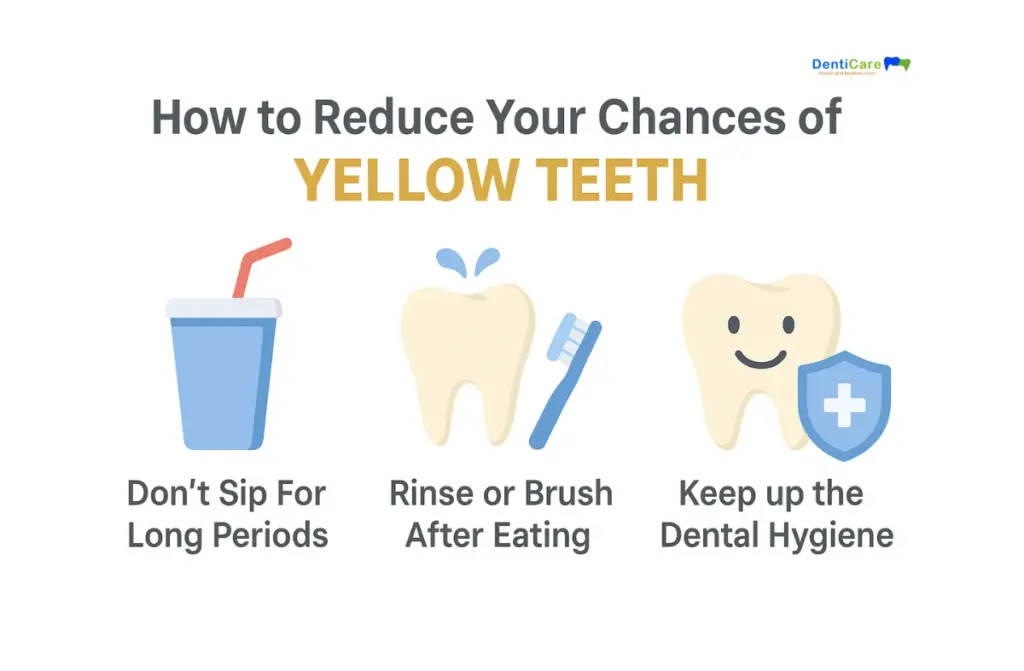
- Brush twice daily with fluoride toothpaste.
- Floss every day.
- Drink water after consuming staining foods or beverages.
- Limit tobacco use.
- Use a straw when drinking dark-colored beverages.
- Maintain a balanced diet rich in calcium and vitamins.
- Schedule regular dental examinations and professional cleanings.
Consistency matters more than perfection.
Related Oral Health Topics Worth Understanding
Tooth discoloration is often connected to other aspects of oral health. Learning about related topics can help you better protect your smile over the long term.
Some useful areas to explore include:
- Foods that strengthen enamel and support healthy teeth
- Common causes of bad breath and how to prevent them
- Early signs of enamel erosion
- Professional and at-home teeth whitening options
- Daily habits that reduce cavity risk
- The relationship between diet and oral health
Understanding these topics provides a more complete picture of how lifestyle choices influence the appearance and health of your teeth.
When Should You See a Dentist?
You should schedule a dental appointment if:
- One tooth suddenly becomes darker than surrounding teeth.
- Discoloration develops after trauma.
- Yellowing is accompanied by pain or sensitivity.
- Professional cleanings fail to improve staining.
- You notice signs of decay or gum disease.
Early evaluation helps identify potential issues before they become more serious.
Common Myths About Yellow Teeth
Myth: Yellow teeth always mean poor oral hygiene.
Reality: Aging, genetics, and enamel thickness often play major roles.
Myth: Healthy teeth should be bright white.
Reality: Most healthy teeth naturally have an ivory appearance.
Myth: Brushing harder makes teeth whiter.
Reality: Aggressive brushing can wear away enamel and worsen discoloration.
Myth: Whitening toothpaste can solve all staining.
Reality: Most whitening toothpastes primarily target surface stains and cannot correct deep intrinsic discoloration.
Expert Insight: What Dentists Want Patients to Know
One of the most common misconceptions dentists encounter is the belief that a white smile automatically equals a healthy smile.
Dental professionals consistently emphasize that oral health should always take priority over cosmetic appearance.
A slightly yellow smile may be perfectly healthy, while a brilliantly white smile may hide cavities, gum disease, or enamel damage.
The ultimate goal is not achieving an unrealistic shade of white—it is maintaining strong enamel, healthy gums, and a functional smile that lasts a lifetime.
Conclusion: The Real Reasons Behind Yellow Teeth
Yellow teeth are often a normal part of life. Aging, genetics, enamel thickness, dietary habits, tobacco use, medications, and environmental factors all influence the appearance of your smile.
The most important takeaway is that yellow teeth do not automatically indicate poor oral hygiene or poor oral health. In many cases, they simply reflect the natural structure of your teeth and the biological changes that occur throughout life.
While some causes of discoloration can be minimized through good oral hygiene, healthy dietary habits, and regular dental care, others—such as genetics and aging—are largely beyond your control.
Rather than focusing solely on achieving an unnaturally white smile, prioritize the factors that truly matter: strong enamel, healthy gums, cavity prevention, and long-term oral health.
A healthy smile may not always be the whitest smile—but it is always the most valuable one.
By understanding the science behind tooth discoloration, protecting your enamel, and seeking professional guidance when needed, you can make informed decisions about whitening treatments while maintaining a smile that stays healthy for years to come.
Read also: Does Bottle Feeding and Thumb Sucking Affect Teeth Alignment.