
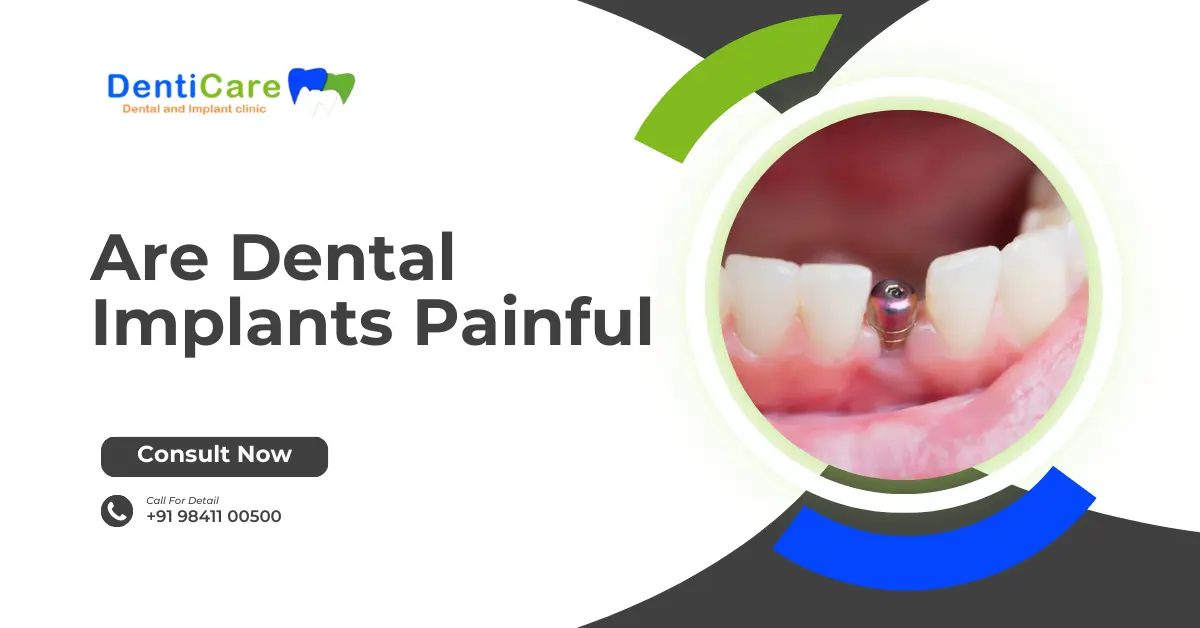
Missing teeth can affect your smile, confidence, speech, and ability to chew comfortably. Dental implants have become one of the most reliable and effective solutions for replacing missing teeth, but many patients hesitate because they worry about pain. One of the most common questions dentists hear is: are dental implants painful?
With modern techniques and effective anesthesia, dental implant procedures can be completed with minimal discomfort for most patients. Advances in technology, anesthesia, and treatment planning have made implant placement a routine procedure with minimal discomfort for most patients. Understanding what happens during treatment and recovery can help reduce anxiety and allow you to make an informed decision about your oral health.
In this comprehensive guide, we will answer the question, are dental implants painful, explain what to expect during every stage of treatment, discuss recovery timelines, and provide expert tips for managing discomfort after surgery.
What Are Dental Implants?
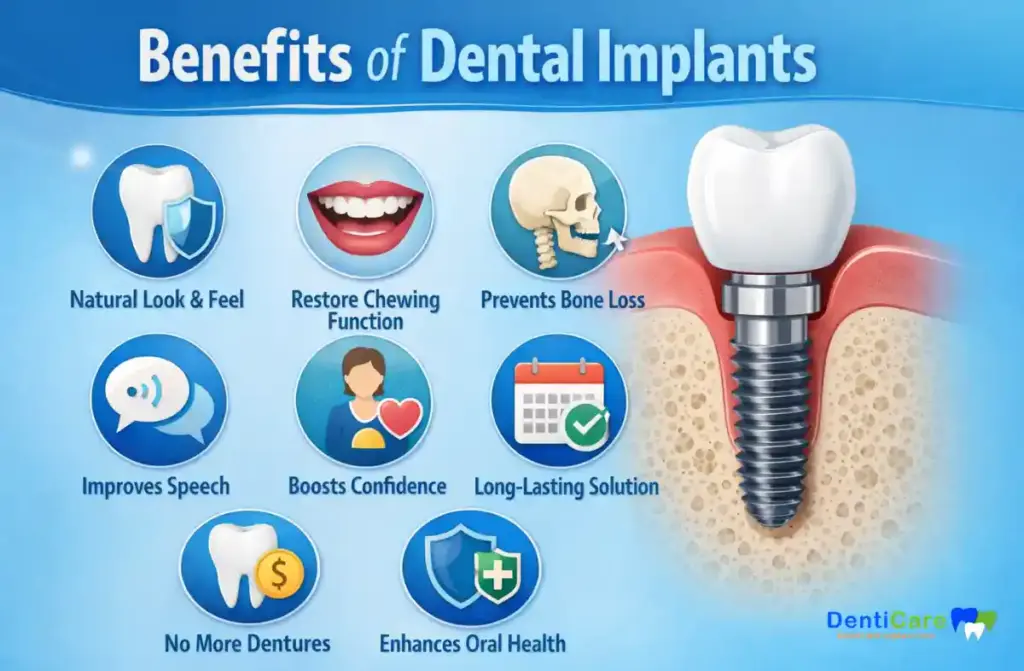
Dental implants are artificial tooth roots made from biocompatible titanium or zirconia. They are surgically placed into the jawbone and serve as a strong foundation for replacement teeth such as crowns, bridges, or dentures.
Three key components combine to form a complete dental implant system:
- Implant post
- Abutment
- Dental crown
Unlike traditional dentures, implants are fixed in place and function much like natural teeth. They restore chewing ability, improve appearance, and help preserve jawbone health.
Many people considering treatment wonder are dental implants permanent. With proper care and regular dental visits, implants can last for decades and are often considered a long-term or permanent tooth replacement solution.
Why Do People Think Dental Implants Are Painful?
The fear of dental procedures is common, especially when surgery is involved. Hearing terms such as “implant placement” or “oral surgery” can make patients assume the procedure will be painful.
Several misconceptions contribute to these concerns:
- Fear of drilling into the jawbone
- Anxiety about injections or anesthesia
- Stories from friends or family members
- Lack of understanding about modern implant techniques
As a result, patients frequently ask whether a tooth implant is painful before scheduling treatment. In reality, most people report that implant surgery is less uncomfortable than they expected.
Does Dental Implant Surgery Hurt During the Procedure?
To answer the question, are dental implants painful, it is important to understand how the procedure is performed.
Before surgery begins, your dentist administers local anesthesia to numb the treatment area completely. This ensures that you do not feel pain during the implant placement process. You may experience pressure or vibration, but sharp pain is typically eliminated.
Modern implant procedures are highly precise and carefully planned using digital imaging and advanced diagnostic tools. These technologies help minimize trauma to surrounding tissues and improve patient comfort.
Most patients find the procedure much more comfortable than they initially expected. In fact, some individuals compare the experience to having a routine dental filling.
When discussing treatment options, patients often ask, “tooth implant is it painful during surgery?” The answer is generally no because effective anesthesia prevents pain while the implant is being placed.
Types of Anesthesia Used for Dental Implants
Dentists use various methods to ensure patient comfort during implant treatment.
- Local Anesthesia: This is the most common option. The surgical area is numbed completely while the patient remains awake and relaxed.
- Sedation Dentistry: Patients with dental anxiety may benefit from sedation techniques that help them feel calm throughout the procedure.
- IV Sedation: For complex cases or multiple implants, intravenous sedation may be recommended to create a deeper state of relaxation.
These options help ensure that patients have a positive and comfortable experience throughout treatment.
Step-by-Step Dental Implant Procedure
Understanding each stage of treatment can help reduce anxiety and answer concerns about discomfort.
Initial Consultation
The process begins with a thorough examination. A comprehensive dental assessment is performed using:
- Digital X-rays
- 3D scans
- Medical history review
- Bone density assessment
This planning phase helps ensure successful implant placement.
Tooth Extraction (If Needed)
If a damaged tooth remains in place, it may need to be removed before implant placement.
Patients often ask if a tooth implant is painful compared with extraction. Many individuals report that implant surgery causes less discomfort than they experienced after a difficult extraction.
Implant Placement
The implant post is inserted into the jawbone through a small surgical opening. Once positioned, the gum tissue is closed around the implant.
The procedure typically takes between 30 minutes and two hours depending on the number of implants being placed.
Healing and Osseointegration
During the healing phase, the implant fuses with the jawbone through a natural process called osseointegration.
This stage is critical because it creates a strong and stable foundation for the final restoration.
Crown Placement
After healing is complete, an abutment and custom-made crown are attached to the implant, restoring the appearance and function of a natural tooth.
What to Expect Immediately After Surgery
While the answer to are dental implants painful during surgery is generally no, some discomfort can occur after the anesthesia wears off.
Normal post-surgical symptoms may include:
- Mild soreness
- Swelling
- Minor bruising
- Tender gums
- Slight bleeding
These post-surgical symptoms are typically mild and gradually improve within a few days as the healing process progresses.
Patients frequently ask how painful is dental implant surgery compared with other dental treatments. Most dentists and patients agree that discomfort is generally manageable and often less severe than expected.
How Long Does Pain Last After Dental Implant Surgery?
Recovery experiences vary from person to person, but most patients follow a similar timeline.
- First 24 Hours: The first day may involve mild soreness and swelling. Your dentist may provide appropriate pain-relief options to help you stay comfortable during the initial healing period.
- Days 2–3: Swelling may reach its peak during this period before gradually decreasing.
- First Week: Most discomfort significantly improves within seven days.
- Weeks 2–4: Soft tissues continue healing, and patients typically return to normal activities.
- Long-Term Healing: The implant continues integrating with the jawbone over several months.
Many patients researching treatment ask how painful is a tooth implant after surgery. While mild tenderness is normal, severe pain is uncommon and should be evaluated by a dentist.
Timeline of Recovery and Healing
A successful implant recovery occurs gradually.
Day 1
- Mild soreness
- Rest recommended
- Soft-food diet
Days 2–7
- Reduced swelling
- Improved comfort
- Continued healing
Weeks 2–4
- Gum tissues strengthen
- Daily activities return to normal
Months 3–6
- Complete osseointegration
- Preparation for final restoration if not already completed
The recovery process is generally smoother when patients follow all post-operative instructions.
Factors That Affect Implant Pain and Recovery
Not everyone heals at the same rate. Several factors influence comfort levels and recovery duration.
- Number of Implants: Multiple implants may result in slightly more post-operative discomfort.
- Bone Grafting: Patients requiring bone grafts may experience a longer healing period.
- Oral Health: Healthy gums and teeth support faster recovery.
- Smoking: Smoking can delay healing and increase the risk of complications.
- Medical Conditions: Certain health conditions may affect the body’s healing response.
- Following Instructions: Patients who carefully follow post-treatment guidelines often experience fewer complications and less discomfort.
When discussing treatment plans, many individuals ask how painful is tooth implant surgery for patients with complex cases. While advanced procedures may involve a longer recovery period, proper planning and pain management help keep discomfort under control.
Managing Pain After a Dental Implant
Most implant-related discomfort can be managed effectively with simple aftercare measures.
- Take Prescribed Medications: Follow your dentist’s instructions regarding pain relievers and anti-inflammatory medications.
- Apply Ice Packs: Cold compresses can reduce swelling and improve comfort during the first 24–48 hours.
- Get Adequate Rest: Allowing your body to heal is essential for recovery.
- Maintain Oral Hygiene: Gentle brushing and rinsing help prevent infection while supporting healing.
- Follow Dietary Guidelines: Avoid foods that may irritate the surgical area.
These strategies help answer concerns when patients ask is implant tooth painful after surgery. Most discomfort can be controlled successfully through proper care.
What Foods Should You Eat After Implant Surgery?
A soft-food diet is recommended during the initial recovery period.
Foods to Eat
- Yogurt
- Smoothies
- Soups
- Oatmeal
- Scrambled eggs
- Mashed potatoes
- Soft fruits
Foods to Avoid
- Hard candies
- Nuts
- Crunchy chips
- Sticky foods
- Extremely hot foods
Proper nutrition supports faster healing and reduces irritation around the implant site.
Signs of Normal Healing vs Potential Complications
Knowing what is normal can help patients feel more confident during recovery.
Normal Healing Signs
- Mild swelling
- Minor bruising
- Temporary tenderness
- Gradual improvement each day
Warning Signs
Contact your dentist if you experience:
- Severe pain
- Persistent bleeding
- Fever
- Pus discharge
- Implant mobility
These symptoms may indicate infection or another complication requiring professional attention.
Are Dental Implants Permanent?
One of the major advantages of implant treatment is durability. Patients frequently ask are dental implants permanent because they want a long-lasting solution for missing teeth.
Dental implants are designed to integrate with the jawbone and provide exceptional stability. With proper oral hygiene, healthy lifestyle habits, and regular dental checkups, many implants last for decades.
Although the crown may eventually require replacement due to wear, the implant itself often remains functional for many years.
This long-term success is one reason dental implants are considered the gold standard in tooth replacement.
Why Choose Denticare Dental & Implant Clinic?
Selecting the right dental provider plays a major role in treatment success and patient comfort.
At Denticare Dental & Implant Clinic, patients benefit from:
- Experienced implant specialists
- Advanced digital technology
- Comprehensive treatment planning
- Personalized patient care
- Strict sterilization protocols
- Ongoing post-treatment support
The clinic focuses on creating a comfortable environment while delivering predictable and successful implant outcomes.
For patients wondering are dental implants painful, expert guidance and modern techniques can make a significant difference in their treatment experience.
Tips for Faster Recovery
To promote healing and reduce discomfort:
- Take medications as directed
- Avoid smoking
- Eat soft foods
- Stay hydrated
- Attend follow-up appointments
- Maintain excellent oral hygiene
- Avoid strenuous activity during the first few days
Following these recommendations can help ensure a smooth recovery process.
Conclusion
Many people delay treatment because they wonder are dental implants painful. Fortunately, modern implant dentistry has made the procedure far more comfortable than most patients expect. During surgery, local anesthesia prevents pain, while post-operative discomfort is generally mild and temporary.
Whether you are concerned about recovery, wondering how painful is dental implant surgery, or curious about long-term benefits, understanding the process can help eliminate unnecessary fear. Dental implants offer a durable, natural-looking solution that restores both function and confidence.
If you are considering dental implants, consulting an experienced team such as Denticare Dental & Implant Clinic can help you receive personalized care and achieve the best possible outcome.
Read also What to Eat after Root Canal.