

Dental hygiene is a critical component of maintaining not only a bright smile but also overall health. The importance of dental hygiene cannot be overstated, as it affects both oral health and systemic well-being. Poor oral care can lead to cavities, gum disease, bad breath, and even more serious conditions like cardiovascular disease and diabetes. Practicing dental care and hygiene consistently ensures that teeth and gums remain strong, reduces the risk of infections, and improves daily quality of life.
Maintaining proper oral habits from a young age is vital. For children, learning good habits early, such as regular brushing, flossing, and routine dental visits, establishes the foundation for lifelong oral health. Additionally, adults benefit from preventive care to maintain healthy teeth, reduce dental costs, and avoid pain and discomfort. By understanding and practicing the importance of dental hygiene, individuals can protect themselves from a wide range of dental and health issues.
The Basics of Dental Hygiene
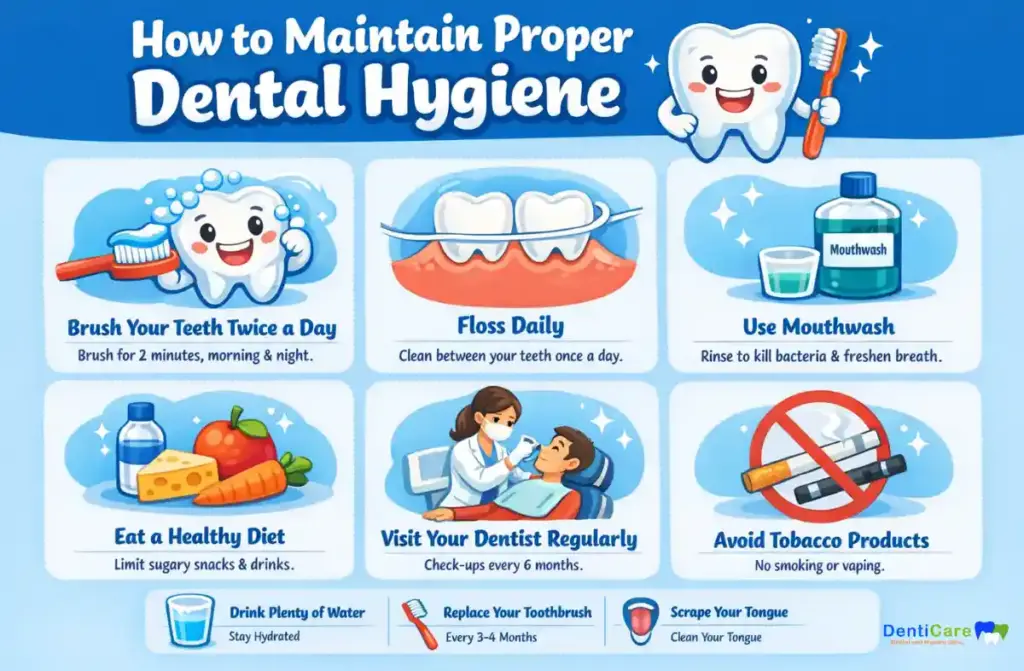
Dental hygiene involves a series of practices that prevent tooth decay, gum disease, and other oral infections. These include brushing, flossing, using mouthwash, and attending routine dental check-ups. A fundamental aspect of maintaining healthy teeth is following the best dental hygiene routine, which includes brushing twice daily with fluoride toothpaste, flossing once a day, and using an antibacterial mouth rinse if necessary.
Proper brushing techniques are essential. Brushing for two minutes ensures that all surfaces of the teeth are cleaned, while using a soft-bristled toothbrush prevents gum damage. Flossing removes plaque and food particles from areas that brushing cannot reach. Incorporating these practices into your daily routine strengthens your oral defense and contributes to oral and dental hygiene.
Diet also plays a crucial role. Limiting sugary and acidic foods reduces the risk of cavities and enamel erosion. Drinking plenty of water helps maintain saliva flow, which naturally protects teeth against bacteria. Understanding the basics of dental hygiene helps establish habits that prevent long-term dental issues.
Importance of Dental Hygiene
The importance of dental hygiene extends far beyond just having a white smile. Good oral care prevents tooth decay, gum inflammation, bad breath, and serious infections. Regular dental maintenance also improves self-confidence and overall quality of life.
For children, dental hygiene for kids is crucial because their teeth are still developing. Teaching proper brushing and flossing techniques early prevents future complications and instills lifelong healthy habits. For adults, neglecting oral care can result in poor dental hygiene with braces, gum disease, and tooth loss.
The benefits of dental hygiene also include financial savings, as preventive care reduces the likelihood of costly treatments later. Ultimately, maintaining oral health is a combination of awareness, proper technique, and regular professional support, highlighting the importance of dental hygiene in daily life.
The Impact on Overall Health
Oral health is closely linked to systemic health. Studies show that poor dental hygiene can contribute to cardiovascular disease, diabetes, respiratory infections, and even complications during pregnancy. Emphasizing the importance of dental hygiene helps prevent oral bacteria from entering the bloodstream, reducing the risk of inflammation and disease elsewhere in the body.
Maintaining healthy teeth and gums strengthens your immune system and improves digestion, as chewing efficiently supports nutrient absorption. Regular dental visits allow professionals to detect early warning signs of conditions such as oral cancer or periodontal disease. By prioritizing oral health, individuals can prevent serious health issues and enjoy a higher standard of overall wellness.
Prevents Medical and Health Conditions
Daily dental care is a form of preventive medicine. Brushing, flossing, and using mouthwash regularly reduce plaque buildup and protect against cavities and gum disease. Understanding the causes of dental hygiene problems, including poor diet, inadequate brushing, and irregular dental visits, allows individuals to take proactive measures to protect their oral health.
Preventive care also reduces the risk of systemic diseases linked to oral bacteria, such as heart disease, diabetes, and infections. Regular check-ups, professional cleanings, and proper oral habits ensure that issues are addressed early, reducing pain, treatment costs, and potential complications. Recognizing the importance of dental hygiene in preventing both dental and medical conditions is key to overall health management.
Protecting Oral Health
Protecting your oral health involves more than daily brushing and flossing. Fluoride treatments strengthen enamel, while mouthguards protect teeth during sports or nighttime grinding. Avoiding tobacco and reducing sugary food intake prevents cavities, gum disease, and enamel erosion.
Prioritizing the importance of dental hygiene means understanding how habits and lifestyle choices impact oral health. Proper nutrition, staying hydrated, and routine professional care work together to prevent complications like poor dental hygiene with braces, cavities, and gum inflammation. Protective measures are an essential part of maintaining lifelong oral health.
Saliva Test
Saliva testing is an innovative tool used to monitor oral health. It can detect early signs of gum disease, cavities, and infections, making it a valuable part of preventive dental care. Saliva tests highlight the importance of dental hygiene, allowing for timely intervention before more serious issues develop.
These tests are simple, non-invasive, and highly effective. They can help monitor pH levels, bacterial presence, and enzyme activity in the mouth. By incorporating saliva tests into routine dental care, patients can stay informed about their oral health and take necessary steps to maintain it.
Tips for Maintaining Good Dental Hygiene
- Brush teeth at least twice daily with fluoride toothpaste
- Floss once daily to remove plaque between teeth
- Use an antibacterial mouthwash to reduce bacteria
- Limit sugary and acidic foods and beverages
- Drink plenty of water to support saliva production
- Visit the dentist for professional cleaning twice a year
- Teach children dental hygiene for kids early
- Follow the best dental hygiene routine recommended by professionals
These practical steps ensure healthy teeth, strong gums, and prevent oral diseases. Consistent care also reduces bad breath, improves confidence, and supports overall wellness.
What Exactly Do Dental Hygienists Do?
Dental hygienists are oral health professionals who provide preventive care, clean teeth, and educate patients on proper techniques. They perform routine check-ups, assess gum health, and identify early signs of cavities, infections, and other dental issues.
By emphasizing the importance of dental hygiene, dental hygienists guide patients in establishing long-term oral care habits. Their role includes educating patients on brushing, flossing, diet, and preventive care. Regular visits to a dental hygienist ensure early detection, professional cleaning, and advice tailored to individual needs, which is crucial for lifelong oral health.
Conclusion
The importance of dental hygiene cannot be overlooked. Maintaining a consistent oral care routine protects teeth and gums, prevents infections, and supports overall health. By practicing proper habits, seeking professional care, and addressing oral issues early, individuals can avoid costly and painful complications.
Investing in oral and dental hygiene today ensures a healthy, confident smile tomorrow. Good practices prevent poor dental hygiene with braces, cavities, and gum disease, while also supporting systemic health. Understanding and prioritizing dental hygiene is one of the most effective steps toward long-term wellness and quality of life.
Read also Dental Crown Procedure.