A bright and healthy smile significantly contributes to self-confidence, daily comfort, and long-term oral wellness. When a tooth becomes damaged, weakened, or cosmetically compromised, restoring its strength and appearance becomes essential. A dental crown procedure is one of the most reliable restorative treatments in modern dentistry, helping protect natural teeth while enhancing function and aesthetics. Whether the issue is decay, fracture, or discoloration, a well-designed crown offers durability and long-term stability.
Patients often search for clarity about treatment steps, recovery time, possible risks, and long-term results. Understanding how the process works helps you make confident decisions about your dental care. This guide walks you through everything you need to know—from preparation to healing—so you can feel informed and comfortable before beginning treatment.
What is a Dental Crown Procedure?
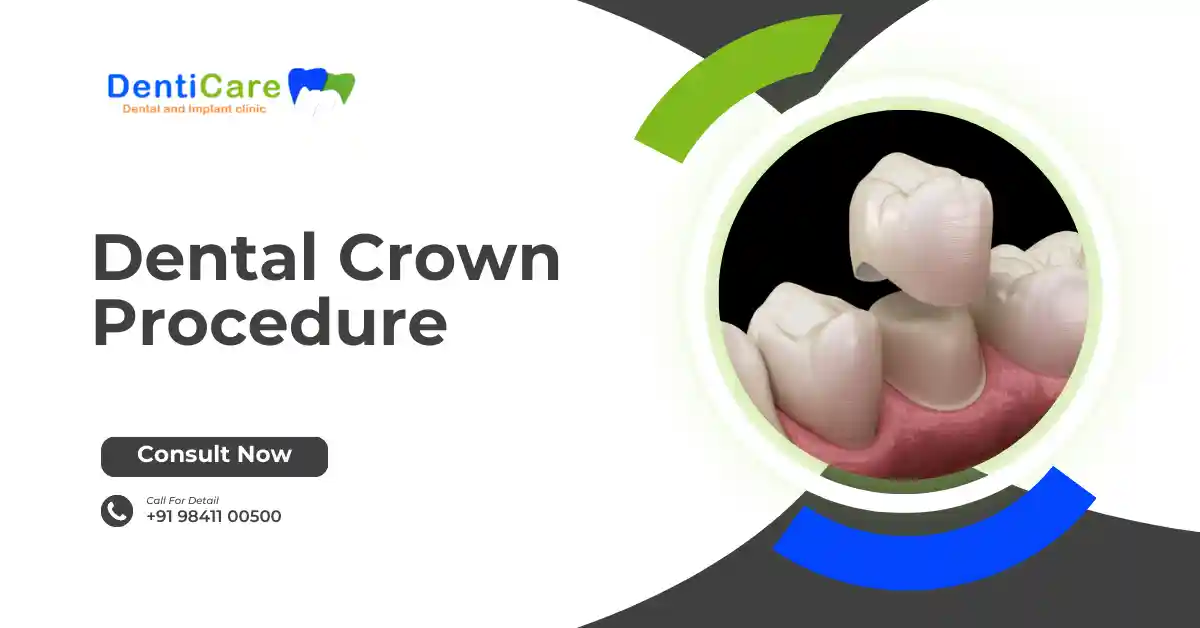
A dental crown procedure involves placing a custom-made cap over a damaged or weakened tooth to restore its shape, strength, and appearance. The crown completely covers the visible portion of the tooth above the gum line, protecting it from further damage while allowing normal chewing and speaking.
Crowns may be recommended for teeth affected by deep decay, large fillings, fractures, root canal treatment, or cosmetic concerns. They can also be used to anchor bridges or restore implants. Depending on the patient’s needs, crowns may be made from porcelain, ceramic, metal, zirconia, or dental crown resin materials.
The goal is to create a restoration that blends seamlessly with your natural teeth while providing long-term durability and comfort.
What are the Benefits of a Dental Crown?
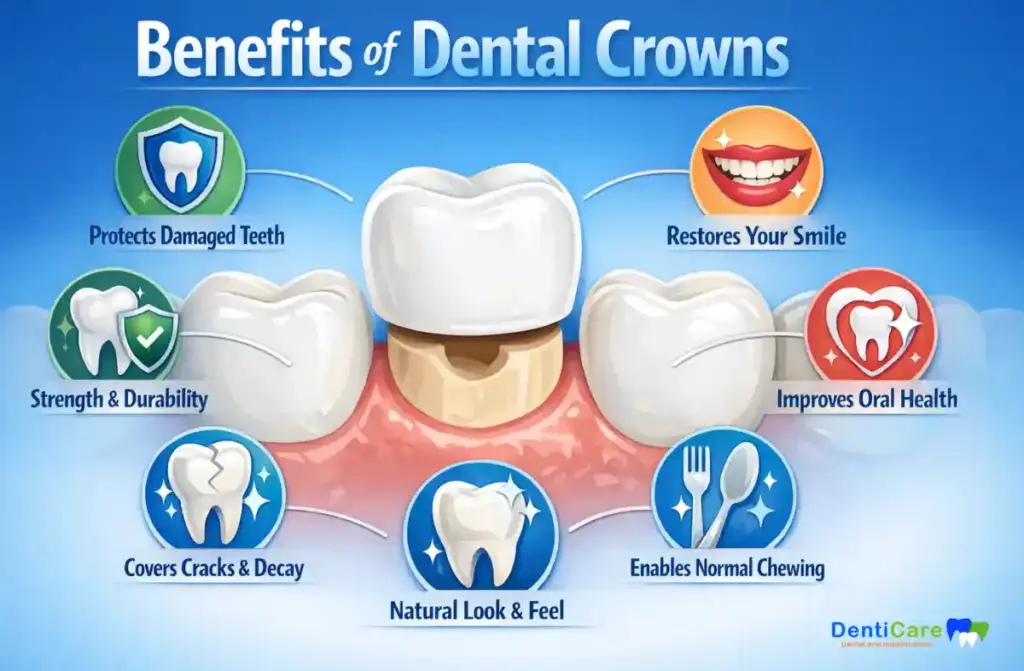
One of the biggest advantages of crowns is their ability to restore both function and appearance. The benefits of dental crowns include:
- Strength restoration: Reinforces weak or cracked teeth.
- Improved appearance: Enhances tooth shape, color, and alignment.
- Protection: Shields teeth from further decay or damage.
- Comfort: Allows comfortable chewing and speaking.
- Durability: Built for long-term use when maintained with proper oral care.
For patients concerned about visible teeth, a dental crown front tooth option delivers natural-looking results while maintaining structural strength. Many patients also appreciate seeing dental crowns before and after improvements, as it highlights how dramatically a smile can be restored.
In cases where an existing crown fails due to wear or damage, dental crown replacement ensures continued protection and functionality.
What Does a Dental Crown Procedure Involve?
A dental crown procedure typically takes two visits unless same-day digital crowns are available.
Step-by-step process:
- Examination and imaging: The tooth is examined closely, and radiographic images are taken to determine the extent of damage or decay.
- Tooth preparation: The tooth is gently contoured to ensure adequate space for proper crown placement and alignment.
- Impression or scan: A mold or digital scan captures precise measurements.
- Temporary crown: Covers and safeguards the prepared tooth until the final crown is ready.
- Final placement: The permanent crown is cemented and adjusted for comfort.
Modern materials, including dental crown resin options, offer lightweight comfort and excellent aesthetics depending on clinical needs and budget considerations.
This carefully planned approach ensures long-term stability, bite alignment, and visual harmony with surrounding teeth.
How Can I Prepare Myself for a Dental Crown Procedure?
Preparing for a dental crown procedure is simple and helps ensure smooth treatment and recovery.
Preparation tips:
- Maintain good oral hygiene before the appointment.
- Eat a light meal prior to treatment.
- Inform your dentist about medical conditions or medications.
- Ask about anesthesia options if you have dental anxiety.
- Avoid hard foods after temporary crown placement.
If the crown is being placed on a dental crown front tooth, discuss shade matching and cosmetic expectations with your dentist to ensure natural results.
Understanding treatment expectations reduces stress and improves overall comfort during the appointment.
How Soon Will I Recover?
Recovery after a dental crown procedure is usually quick. Mild sensitivity or soreness may last for a few days, especially when biting or consuming hot and cold foods.
Recovery care tips:
- Avoid sticky or hard foods for the first 24 hours.
- Brush gently around the crown area.
- Use saltwater rinses for gum comfort.
- Take prescribed pain relief if needed.
Most patients resume normal activities immediately. If discomfort persists beyond a few days, a follow-up visit ensures proper fit and bite alignment.
What Complications Can Happen?
Although generally safe, a dental crown procedure may occasionally present minor risks:
- Temporary tooth sensitivity
- Gum irritation or swelling
- Bite misalignment
- Crown loosening
- Rare allergic reactions to materials
Certain materials such as dental crown resin may wear faster than ceramic or zirconia in high-bite-pressure areas. Prompt dental review prevents complications from becoming serious.
Maintaining routine dental checkups helps detect issues early and extends crown lifespan.
Are There Alternatives to a Dental Crown Procedure?
Depending on tooth condition, alternatives to a dental crown procedure may include:
- Dental fillings or onlays for minor damage
- Veneers for cosmetic corrections
- Root canal treatment followed by reinforcement
- Dental implant crown placement when a tooth is missing
In some cases, dental crown replacement may be advised instead of repair when an old crown fails. Your dentist will recommend the best option based on tooth structure, bite pressure, and aesthetic goals.
Each alternative has its own benefits, costs, and longevity considerations.
What Will Happen if I Decide Not to Have the Procedure or It Is Delayed?
Delaying a dental crown procedure can allow tooth damage to worsen. Cracks may expand, decay may deepen, and structural weakness can lead to fracture or infection.
If a tooth becomes non-restorable, extraction may be required followed by a dental implant crown solution, which is typically more invasive and costly. Ignoring treatment can also impact neighboring teeth and bite alignment.
Timely treatment preserves natural tooth structure and minimizes future complications.
Conclusion
A dental crown procedure is a dependable solution for restoring damaged teeth while improving appearance and oral function. With proper care, patients often enjoy lasting comfort, improved confidence, and enhanced chewing efficiency. Many patients review dental crowns before and after results to better understand expected outcomes and satisfaction levels.
Patients often ask, can dental crowns last a lifetime? With excellent oral hygiene, regular dental visits, and avoidance of harmful habits such as teeth grinding, longevity can be significantly extended. In fact, many patients wonder again, can dental crowns last a lifetime? The answer largely depends on maintenance, material selection, and lifestyle habits.
If you are considering treatment, consult your dentist for personalized guidance and a customized treatment plan to restore your smile safely and effectively.
Read also Tooth Implant Side Effects.