
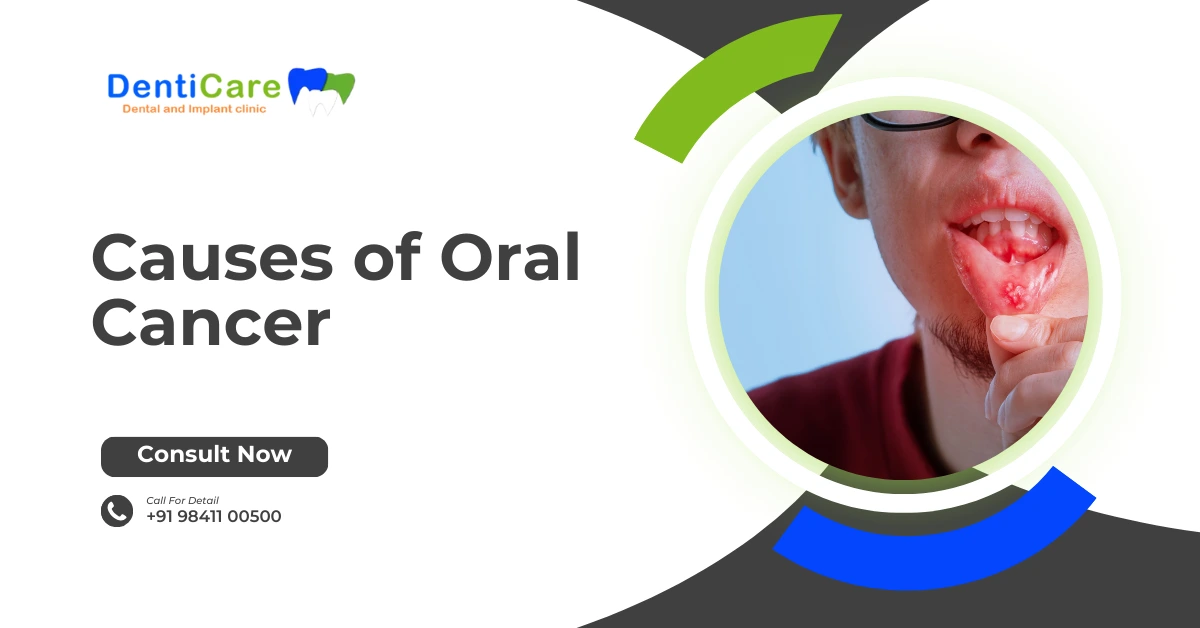
Oral cancer doesn’t usually appear suddenly. It develops gradually, often without obvious early symptoms. One of the most significant contributors to this condition is chewing tobacco, making it essential to understand how it affects oral health. Knowing the causes of oral cancer—especially tobacco-related risks—helps identify danger early and take preventive action before the disease progresses.
Oral cancer can affect the lips, tongue, gums, inner cheeks, and the floor or roof of the mouth. Early awareness is critical, as timely detection can be life-changing. Understanding the causes of oral cancer supports prevention, early diagnosis, and improved treatment outcomes.
Main Causes of Oral Cancer
Oral cancer usually develops due to a combination of lifestyle habits, infections, and health-related factors. Among these, chewing tobacco stands out as one of the strongest causes of oral cancer.
Tobacco Use (Chewing Tobacco): Chewing tobacco is a major risk factor for oral cancer due to its constant contact with the soft tissues of the mouth. It contains numerous cancer-causing chemicals that irritate and damage oral cells over time. Prolonged use significantly increases the risk of precancerous lesions and malignant changes, especially affecting the gums, inner cheeks, tongue, and the floor of the mouth.
In Tamil Nadu, chewing tobacco is commonly consumed in the form of:
- Gutkha
- Khaini
- Pan masala mixed with tobacco
- Locally prepared smokeless tobacco mixtures
These products are often placed inside the cheek or under the tongue, leading to prolonged contact with oral tissues. This continuous exposure increases the risk of leukoplakia (white patches), gum disease, mouth ulcers, and oral cancer, especially affecting the inner cheeks, tongue, and floor of the mouth. Long-term use is a significant contributor to rising oral cancer cases in the state.
Other Indian States – Product Usage and Causes
Across other Indian states, chewing tobacco is also widely used, with variations in product types:
- Northern States (Uttar Pradesh, Bihar, Madhya Pradesh):
- Gutkha, khaini, and tobacco-mixed pan masala
- High frequency of use linked to oral and throat cancers
- Western States (Maharashtra, Gujarat):
- Gutkha, zarda, and flavored chewing tobacco
- Strong association with gum damage and precancerous oral lesions
- Gutkha, zarda, and flavored chewing tobacco
- Eastern States (West Bengal, Odisha):
- Khaini and locally prepared smokeless tobacco
- Increased risk of tongue and cheek cancers
- North-Eastern States:
- Betel quid with tobacco and regional mixtures
- Combined use with areca nut increases cancer risk further
Despite regional differences, the cause of harm remains the same—continuous exposure of oral tissues to carcinogenic chemicals found in smokeless tobacco.
Why It is Harmful
- Prolonged contact with mouth tissues
- Contains cancer-causing chemicals
- Risk increases with frequent and long-term use
Quitting chewing tobacco greatly reduces the risk of oral cancer and improves overall oral health. Regular oral checkups and early awareness can help detect problems at an early stage.
Excessive Alcohol Consumption: Heavy alcohol intake irritates oral tissues and weakens their natural protective barriers. When combined with chewing tobacco, the risk of oral cancer multiplies significantly, making this combination especially dangerous.
HPV Infection: HPV—especially strain HPV-16—is a known factor among the causes of oral cancer in non smokers. However, tobacco users remain at a much higher overall risk, as tobacco weakens the body’s ability to fight viral infections.
Poor Oral Hygiene & Chronic Irritation: Chewing tobacco causes constant irritation to oral tissues. Along with sharp teeth, ill-fitting dentures, or untreated gum disease, this chronic irritation can lead to cellular changes in the mouth, particularly in individuals with reduced immunity.
Weak Immune System: A weakened immune system may fail to eliminate damaged or abnormal cells caused by tobacco exposure. This increases vulnerability and contributes further to the causes of oral cancer.
Nutritional Deficiencies: Chewing tobacco users often have poor nutritional intake. Deficiencies in vitamins A, C, and E weaken the mouth’s protective lining, making tissues more susceptible to cancerous changes.
Early Warning Signs You Shouldn’t Ignore
Early symptoms of oral cancer are often mild, which is why they are frequently overlooked—especially among chewing tobacco users.
Non-Healing Mouth Sores: A mouth sore that doesn’t heal within two weeks may be an early warning sign of oral cancer. Chewing tobacco users should be particularly alert to this symptom.
White or Red Patches: Discolored patches inside the mouth are common early oral cancer symptoms and should be examined promptly.
Loose Teeth Without Gum Disease: Unexplained tooth movement can indicate cancer affecting the jawbone.
Persistent Mouth or Jaw Pain: Ongoing pain, burning, or numbness in the mouth—without a clear cause—can signal early disease.
Is Oral Cancer Curable?
Many people ask, is oral cancer curable? The answer depends largely on early detection. Is oral cancer curable if caught early? In many cases, yes. With timely diagnosis and appropriate treatment, outcomes are often very positive. Even in advanced stages, modern treatments can control the disease and improve quality of life. Early action remains the most critical factor.
How to Lower Your Risk
Reducing exposure to the causes of oral cancer especially chewing tobacco starts with daily lifestyle changes:
- Avoid chewing tobacco and all tobacco products
- Limit or avoid alcohol
- Maintain good oral hygiene
- Get vaccinated against HPV
- Eat a nutrient-rich diet
- Schedule regular dental check-ups
- Monitor changes in your mouth
This is especially important because the causes of oral cancer in non smokers are often discussed, while tobacco-related risks remain underestimated.
Treatment Options for Oral Cancer
Treatment depends on the stage and location of the cancer and may include:
- Surgery to remove the tumor
- Radiation therapy to destroy cancer cells
- Chemotherapy for advanced cases
- Reconstructive surgery to restore function and appearance
- Palliative care for symptom relief in late stages
Again, many ask: is oral cancer curable with treatment? When detected early and treated appropriately, survival rates and quality of life improve significantly.
Final Takeaway
Understanding the causes of oral cancer—especially the serious risks of chewing tobacco—empowers individuals to protect their health. Chewing tobacco remains one of the leading and most preventable causes of oral cancer across all age groups. Early awareness, quitting tobacco, and asking vital questions like is oral cancer curable can make a critical difference and help save lives.